


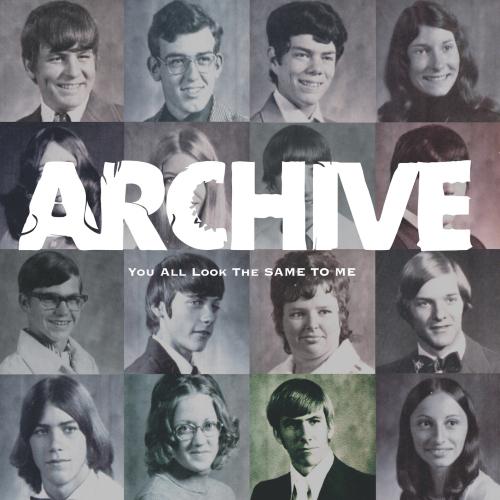
You All Look The Same To Me (2024 Remastered Deluxe Edition) Archive
Album info
Album-Release:
2024
HRA-Release:
03.01.2025
Album including Album cover
- 1 Again (2024 Remaster) 16:19
- 2 Numb (2024 Remaster) 05:46
- 3 Meon (2024 Remaster) 05:43
- 4 Goodbye (2024 Remaster) 05:38
- 5 Now & Then (2024 Remaster) 01:22
- 6 Seamless (2024 Remaster) 01:43
- 7 Finding It So Hard (2024 Remaster) 15:33
- 8 Fool (2024 Remaster) 08:28
- 9 Hate (2024 Remaster) 03:43
- 10 Need (2024 Remaster) 02:28
- 11 My Last (2024 Remaster) 05:13
- 12 Personal Army (2024 Remaster) 05:59
Info for You All Look The Same To Me (2024 Remastered Deluxe Edition)
Released in 2002, You All Look The Same To Me is the third studio album from British group Archive. It was a critical point in their career, seeing them leave their original trip-hop influenced sound behind and embrace something more influenced by prog and post-rock. For fans of bands like Mogwai and Secret Machines.
It is now 22 years since the British musicians' collective Archive freed themselves from the far too tight corset of trip hop with “You All Look The Same To Me”. From then on, the project led by the two creative minds Darius Keeler and Danny Griffiths was often mentioned in the same breath as other experimental bands of the time. Just like Radiohead, Sigur Rós, Mogwai or Godspeed You! Black Emperor, Archive were suddenly categorized as either progressive rock, art rock or the newly created term new art rock. The 16-minute long track 'Again' in particular left many listeners of progressive music open-mouthed, with the result that Archive - alongside Porcupine Tree - were already being treated by some journalists as the new legitimate successors to Pink Floyd. “Grand Vizier” Sal Pichireddu assessed ‘You All Look The Same To Me’ somewhat more cautiously and realistically in his review for our predecessor medium ‘Progressive Newsletter’ at the time, and he was right to do so:
One of the most important albums of the year, because it gave the ossifying scene an impulse from the outside and at the same time could win new friends for elaborate rock music.
However, “You All Look The Same To Me” with Craig Walker's characteristic melancholy voice not only made waves in prog circles; Archive even made it into the mass media with their crossover of alternative rock, trip-hop and art rock, so that the track 'Again' in particular still appears in the soundtracks of various television productions today. Two years later, “Noise” was released, an album that took a similar musical direction. Still attributable to prog or art rock, Keeler and Griffiths departed even further from trip-hop with album number four and moved closer and closer to alternative rock, which former colleague Kristian Selm described as follows in his review of the album:
The sound games have become less, technoid pounding rhythms have almost completely disappeared, the hypnotic, atmospheric parts no longer have the obvious presence. What has remained is the skillful interplay of very quiet numbers and rockier, slowly developing material. However, the rock component is more pronounced this time, with guitar and broken sounds much more in the foreground, giving the album a modern alternative rock feel.
To this day, “You All Look The Same To Me” and “Noise” are Archive's most popular long-playing records in the prog scene, which is probably primarily due to the fact that Keeler and Griffiths continued to develop their style with each new album in the following years. However, personnel changes in the collective also led to discontent in the scene: while Craig Walker's vocals on 2006's “Lights” were sorely missed by many, the renewed involvement of rapper Rosko John, who had already appeared on the '96 debut “Londinium”, caused great irritation on the concept album “Controlling Crowds”. Archive's approach was simply too progressive to be permanently categorized as progressive rock. However, this did not change the fact that “Noise” and especially “You All Look The Same To Me”, but also “Controlling Crowds”, still have a high status today, both among Archive fans and in the prog scene, despite Rosko's rap interludes.
Craig Walker, vocals
Danny Griffiths, guitar, harmonica, percussion
Darius Keeler, bass, programming
Additional musicians:
Pete Barraclough, guitar
Steve Harris, guitar
Dominic Brown, guitar
Lee Pomeroy, bass
Smiley, drums
Steve Emney, drums
Annelise Truss, viola & violin
Maria Q, vocals
Jane Wall, vocals
Steve "Keys" Watts, Hammond, Rhodes
Carl Holt, trumpet
Alan Glen, harmonica
Tom Brazelle, harmonica
Anita Hill, guest triangalist
Digitally remastered
Archive
wurde 1994 in London von Darius Keeler und Danny Griffiths gegründet. Die beiden Musiker entstammen der elektronischen Underground-Szene der frühen 90er-Jahre und waren stark von der Trip-Hop-Welle aus Bristol beeinflusst.
Während Acts wie Massive Attack oder Portishead den Ton angaben, suchten Keeler und Griffiths von Anfang an nach einem eigenen Zugang zu diesem neuen, düsteren Sound zwischen Hip-Hop, Electronica und orchestralen Elementen.
Für ihr Debütalbum holten sie sich die Sängerin Roya Arab und den Rapper Rosko John ins Studio. Das Resultat, Londinium, erschien 1996 bei Island Records und gilt bis heute als ein unterschätzter Klassiker des Genres. Die Mischung aus atmosphärischer Elektronik, Streichern und politischen Texten kam bei der Kritik gut an, fand aber nur ein kleines Publikum. Nach dem Album kam es zur Trennung von Arab und Rosko John, woraufhin Archive sich neu formierten – eine Dynamik, die sich über die gesamte Bandgeschichte hinweg fortsetzen sollte.
Mit dem zweiten Album Take My Head (1999) vollzogen Archive eine radikale stilistische Wende. Suzanne Wooder übernahm den Gesang, der Sound war deutlich melodischer, zugänglicher und poppiger als noch beim Debüt.
ARCHIVE - YOU MAKE ME FEEL
Stücke wie „You Make Me Feel“ (aktuell zu hören in der neuen Renault Werbung) erreichten größere Aufmerksamkeit, vor allem in Frankreich und Deutschland. Trotz des Erfolgs war auch diese Phase nur eine Momentaufnahme. Wooder verließ die Band, Keeler und Griffiths zogen sich erneut ins Studio zurück und entwickelten den Sound, der Archive langfristig prägen sollte: eine epische, cineastisch angelegte Klangarchitektur, die elektronische Elemente mit Post-Rock, Prog und orchestralen Arrangements verband.
2002 erschien You All Look The Same To Me, das bis heute als eines ihrer wichtigsten Alben gilt. Mit dem irischen Sänger Craig Walker fand die Band eine Stimme, die das neue Klangbild perfekt ergänzte. Der über 16 Minuten lange Opener „Again“ wurde zum Signature Track der Band, Songs wie „Numb“ oder „Meon“ verbanden melancholische Melodien mit ausufernden Spannungsbögen. Archive entwickelten sich in dieser Phase von einem Studioprojekt zu einer festen Liveband, die vor allem in Frankreich und Osteuropa schnell eine wachsende Fangemeinde fand.
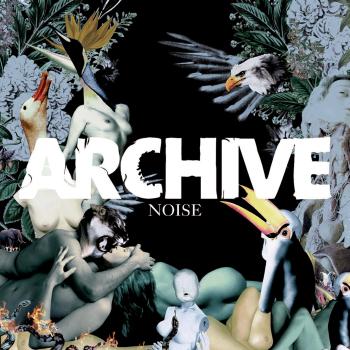
Die folgenden Alben Noise (2004) und Lights (2006) führten den eingeschlagenen Weg konsequent weiter. Auf Noise dominierte eine dunkle, fast aggressive Stimmung. Der Song „Fuck U“ wurde zu einem ihrer bekanntesten Stücke – düster, verletzlich, intensiv. Lights setzte stärker auf elektronische Flächen, komplexe Songstrukturen und atmosphärische Spannungsbögen. Archive etablierten sich in dieser Zeit als feste Größe im europäischen Raum, ohne je in den Mainstream abzurutschen.
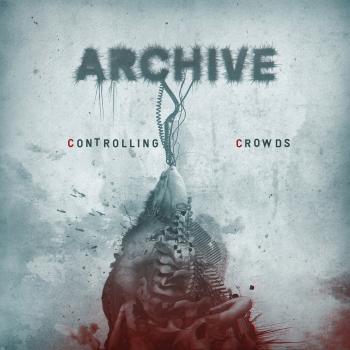
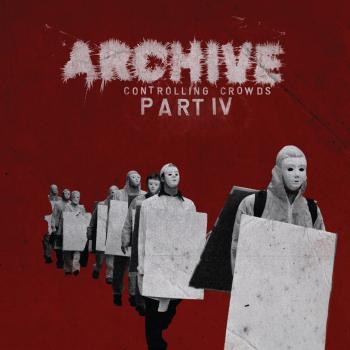
Mit Controlling Crowds, einem in vier Teilen veröffentlichten Konzeptalbum aus dem Jahr 2009, erreichte die Band einen kreativen Höhepunkt. Die erste Veröffentlichung bestand aus den Teilen I bis III, Teil IV wurde einige Monate später nachgereicht. Das Gesamtwerk ist geprägt von einer düsteren Gesellschaftsanalyse, in der Themen wie Überwachung, Entfremdung und digitale Kontrolle zentral sind. Die Tracks changieren zwischen elektronischem Minimalismus und monumentaler Opulenz. Archive zeigten sich hier als musikalisches Kollektiv, in dem wechselnde Stimmen, Klangfarben und Stimmungen zu einem dichten Gesamtkonzept verwoben wurden.
Archive - The Empty Bottle (Official Video)
Nach dem Ausstieg von Craig Walker wurde Rosko John erneut Teil der Band. Auf dem 2012 erschienenen Album With Us Until You’re Dead übernahm er gemeinsam mit Maria Q, Dave Pen und Pollard Berrier die Vocals. Auch dieses Album setzte stark auf thematische Kohärenz, vermied aber einfache Songstrukturen zugunsten von Spannungsaufbau und Atmosphäre. Die Band klang fokussierter und zugleich experimenteller als je zuvor.
2014 erschien Axiom, ein Projekt zwischen Soundtrack und Album. Die Musik wurde parallel zu einem Kurzfilm geschrieben, der die visuelle Dimension der Band weiter auslotete. Archive dachten Musik und Bild seit jeher zusammen, mit Axiom wurde dieses Prinzip konsequent umgesetzt. Der Film wurde bei ausgewählten Konzerten live mit der Musik aufgeführt und unterstrich die Ambitionen der Band jenseits klassischer Albumformate.
Mit Restriction (2015) legten Archive ein politisch aufgeladenes Album vor, das sich zunehmend tanzbaren Rhythmen öffnete, ohne die für sie typische emotionale Tiefe aufzugeben. Stücke wie „Kid Corner“ oder „Ruination“ griffen soziale Themen auf, die sich in den folgenden Jahren noch zuspitzen sollten.
This album contains no booklet.